
Breast Cancer Awareness Month: Essential Resources, Support & Screening Tools
30 Oct 2026

There are other early symptoms of breast cancer that are not painful lumps. Breast cancer may be discovered during screening prior to any obvious symptoms or there may be other, more subtle breast or nipple changes.
That is one of the main reasons that Breast Cancer Awareness Month is so important. This blog focuses on this year's theme and warning signs to look out for. This blog covers important information including risk factors that can lead to breast cancer and early detection and screening, along with an important explanation on how seeking care early can make a big difference.
Why does breast cancer awareness matter?
Breast cancer is one of the most common cancers worldwide and the World Health Organization reported 2.4 million cases of breast cancer in 2024. Breast cancer is present everywhere in the world and access to both diagnosis and treatment is very different across the world. Knowing how breast cancer can present even without a known family history and understanding your personal risk, as well as knowing when you should seek medical advice after noticing a change, are important in the process of catching the cancer as soon as possible. Breast Cancer Awareness Month gives us the opportunity to consider what else needs to be done. Providing easily available and reliable information, improving accessibility of breast cancer screenings and treatments, and offering the support cancer patients need throughout their journeys, are some important things we need to address.
Breast Cancer Resources Worth Exploring
It is beneficial for patients to have resources available that provide information that is easily accessible for patients to prepare to discuss breast cancer options with their healthcare teams. A few of the available resources have been compiled below.
- CancerGuru.com: CancerGuru.com acts as a good starting point to search for cancer information and explore educational materials. It provides context on common questions during cancer diagnosis and treatment and during recovery. You should go through the material on CancerGuru to help formulate and solidify your understanding of cancer before taking it upon yourself to discuss cancer symptoms and treatment and screening options with your health professional.
- World Health Organization (WHO): The WHO provides information and guidance to people about all aspects of breast cancer and how cancer patients interact with their care systems, from the local level to the global level. The Initiative has a special focus on improving breast cancer screening, diagnosis, and access to the necessary care in all the countries it works in.
- National Cancer Institute (NCI): The NCI provides a comprehensive guide to all things breast cancer including risk factors, diagnostic and treatment information, and the latest clinical trial studies. Their website includes medical term guides and resources for patients to learn the terminology to help them prepare to talk to their doctors about all their options.
- American Cancer Society (ACS): The American Cancer Society covers everything about breast cancer from screening, diagnosis, and treatment to life after cancer. This section is also dedicated to the understanding of the disease in men and the individual assessment of personal risks. These resources can be used by both the patients and the caregivers to explore all the options for cancer care and to prepare for discussions concerning the treatment.
- Breastcancer.org: The patient-centered section of the website of Breastcancer.org offers a library of information on breast cancer including diagnosis and treatment and its effects in daily life. Most common questions and complicated terms are answered and explained respectively in this section to aid understanding.
Breast Cancer Screening Tools: What Should You Know?
Screening detects cancer in people with no symptoms. What you do depends on how old you are, and what’s in your and your family’s medical history. Knowledge of what is out there means you will have a more informed discussion with your doctor.
- Mammography: A mammogram is essentially a diagnostic X-ray for your breasts. It’s widely considered the gold standard for women looking to find and treat their breast cancer as early as possible. At this early stage, breast cancer is typically too small to be felt and even smaller to cause any noticeable symptoms. That said, regular mammograms are the safest bet for most screening age women when it comes to preventing breast cancer-related deaths.
- Breast Magnetic Resonance Imaging (MRI): A breast MRI is imaging done using magnets and radio waves to capture breast tissue. Unlike a mammogram alone, this diagnostic technique is typically used for screening patients who are at a higher risk of breast cancer. Because the results of this type of imaging tend to be irregular and inconclusive for low-risk patients, breast MRI is not done on them.
- Ultrasound of the Breast: Sound waves and an ultrasound are used to take pictures of the inside of your breasts. The pictures are known as a sonogram.
Breast Cancer Warning Signs to Recognize
It's a fact that there are cases when pain from breast cancer is not the presenting symptom, especially in its early phases. Therefore, even when it comes to the breast, any newly noted changes should never be overlooked, even if they aren't associated with pain.
The red flags of breast cancer include:
- New breast lump or localized breast thickening.
- Breast enlargement or change of shape or appearance.
- Breast skin changes such as dimpling or puckering, or breast skin becoming red.
- Inversion of the nipple, or new rash or other changes on the skin of the nipple.
- New nipple discharges, especially if there is blood.
- Unusual pain in the breast that persists.
Although breast cancer may not always present with pain, it can develop as the cancer grows and becomes more advanced. In addition to a new change, it is important to pay close attention to any changes in your breast, whether they are associated with pain.
How to Act This Breast Cancer Awareness Month
Making a big change is possible through simple actions that help both you and your community.
- Review when your last screening was, and if it is time, contact your doctor.
- Learn about your family history. Tell your doctor about your family’s experiences of breast or related cancers.
- You can then provide information you've gathered on trusted sources about the signs and symptoms, screenings, and support that's out there to the people in your network.
- Check in on the people on your network who have cancer. Listen with no judgement and offer to provide support that they can then say 'yes' to, if that is what they need. And make sure that whatever they want to say to you, stays between the two of you.
- You can help to provide access to services by offering to volunteer your time, for example, for a cancer organization that you feel supports and provides valuable resources for people. Or even just helping people access screening and support programs through financial contributions to that kind of work.
- Finally, hold space for all the breast cancer stories. Some people have been newly diagnosed, while others are at various stages of the disease, and yet others are living with cancer that has metastasized. Many campaigns on breast cancer often lean into positive stories, but this overlooks all the varied and often difficult journeys that people take.
What Can you do during breast cancer awareness month?
October brings awareness, and rightfully so, but we need to channel this awareness into action.
- Review and teach others about the warning signs of breast cancer.
- Ensure others are taking notice of any changes in their breasts.
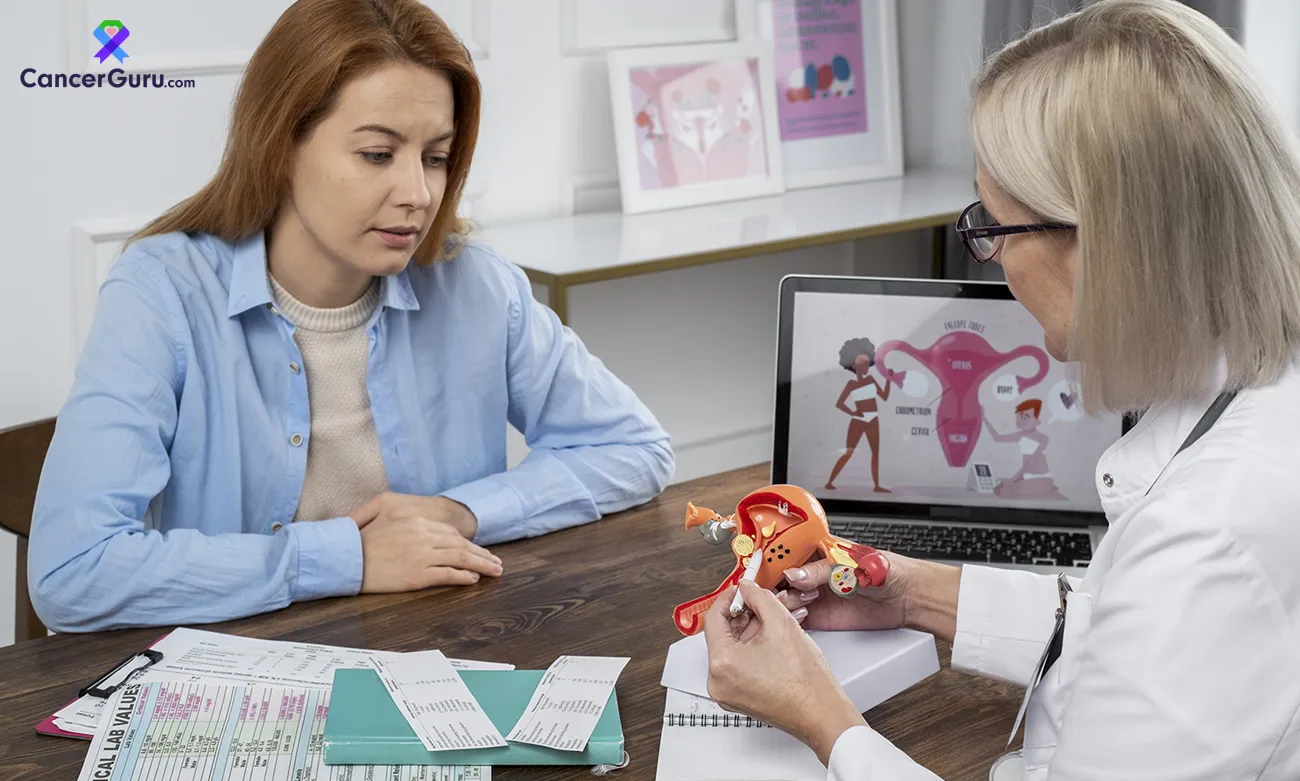
- Get an assessment of your personal risk, and learn how and when to schedule a screening, by having a conversation with your healthcare professional.
- Help someone navigate breast cancer with support.
- Display support of breast cancer awareness by wearing a pink ribbon.
- Avoid adding to the myths of breast cancer, instead alleviate concerns.
- Small conversations about the importance of being examined can have the most impact, as the goal is to encourage the individual to seek an evaluation of the potential disease.
Conclusion
Breast Cancer Awareness Month recalls all the pieces that help a patient get through their journey. Screening and recognizing symptoms early and easily are a huge piece of the puzzle. The breast cancer journey is hard enough. In addition to understanding what changes to look for, screening options to explore, and what help is available, learning can also facilitate the steps necessary to address breast health. At CancerGuru, we hope to provide readers with the information they need to better understand what really matters in cancer research and advocacy. This October, it will help us learn and share. Most importantly, support our efforts to continue breast cancer conversations beyond the month of October.
Recent Posts
-
Ovarian Cancer Symptoms Women Often Miss
23 Sep 2026 -
Leukemia vs. Lymphoma: Key Differences Explained
14 Sep 2026 -

Returning to Work After Cancer Treatment
03 Sep 2026